Introduction:
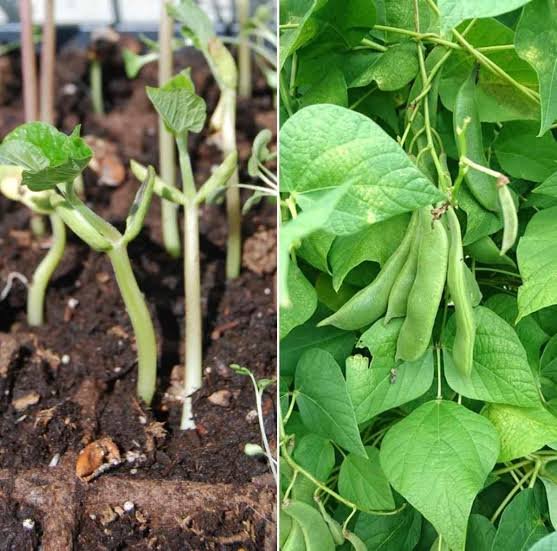
Beans are important leguminous vegetable crops belonging to the family Fabaceae (Leguminosae). They are widely cultivated for their tender green pods, immature seeds and mature dry seeds. Beans are rich in protein, carbohydrates, dietary, fibles, vitamins and minerals.
Bean plant also improves soil fertility through biological nitrogen fixation in association with beneficial Rhizobium bacteria.
Beans are cultivated in home gardens, kitchen gardens, commercial vegetable farms and mixed cropping systems.
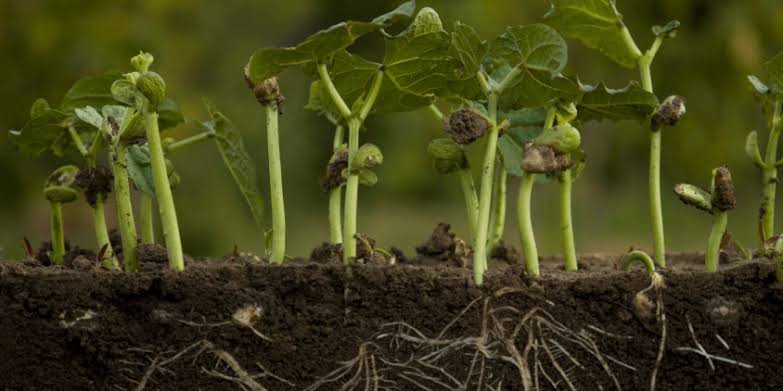
Table of Contents
Taxonomy:
- Scientific name: Depends on the type of bean.
- Family: Fabaceae
- Edible parts: Tender pods, immature seeds, or mature dry seeds.
- Chromosome number: Depends on the species.
Varieties:
- French bean (Phaseolus vulgaris): Cultivated for tender green pods and dry seeds.
- Cowpea (Vigna unguiculata): Grown for green pods, seed, and fodder.
- Cluster bean (Cyamopsis tetragonoloba): Also known as guar, Grown for green pods, seeds, and industrial guar gum.
- Hyacinth bean (Lablab purpureus): A climbing or bushy legume cultivated for edible pods and seeds.
Important: The cultivation practices differ among these crops. The following guide focuses mainly on French bean production, a common vegetable bean crop. Differences for other beans are highlightedwere relevant.
Climate Requirements:
W
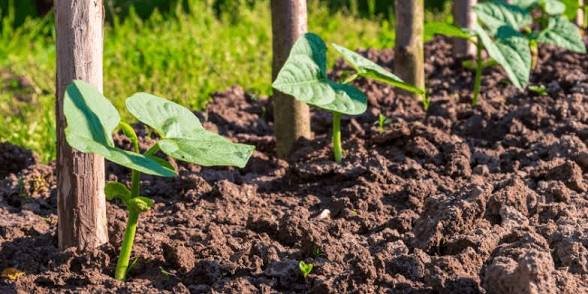
French bean grows well under cool to moderately warm conditions.
- Optimum temperature: Approximately 15-25 ⁰C
- Seed germination: Favoured by wow moist soil, generally around 18-25 ⁰C
- Sunlight: Requires full sunlight for healthy growth and good pod production.
- Rainfall: Moderate and well distributed rainfall is favorable.
- Humidity: Moderate humidity is suitable, while prolong, humid condition can encourage fungal diseases.
- Frost: French bean is sensitive to frost.
Suitable Season:
in india, the sowing season depends on the local climate, irrigation facilities, and variety.
| Season | Approximate sowing time | Important consideration |
| Kharif | June-July | Ensure good drainage during the rainy season |
| Rabi | October-November | Suitable in many areas with a mild winter. |
| Spring | February-March | Irrigation may be required as temperature rise. |
These are general guidelines. In Jharkhand and neighbouring eastern indian regions, showing dates should be adjusted according to local temperature, rainfall and variety recommendations.
Soil requirements:
French bean can be cultivated in a variety of soils, but it performs best in fertile well- drained loamy soil.
Ideal soil characteristics:
- Soil type: Sandy loam to loam.
- Soil pH: Approximately 5.5-6.8.
- Organic matter: Adequate organic metal improve soil structure and moisture retention.
- Drainage: Good drainage is essential.
- Fertility: Moderate fertility with balanced nutrient availability.
Soil preparation:
- Plough the field to loosen the soil.
- Remove weeds, stones, and crop residues.
- Prepare a fine, friable seedbed.
- incorporate well decomposed farmyard manure or compost.
- Prepare raised beds or ridges in areas prone to waterlogging.
Note: Avoid planting beans in water logged soil because poor adiation encourages root diseases and reduce plant growth.
Improved varieties:
Variety selection should depend on local climate, market demand, disease resistance, and whether the crop is intended for green pods or dry seeds.
Examples of French bean varieties include:
- Arka komal
- Arka Suvidha
- Contender
- Pura Parvati
Availability and performance may vary by region. Select certified seed from a reliable supplier and consult local agricultural recommendations before purchasing.
Types based on growth habit:
A. Bush type
- Plants grow relatively upright and compact.
- Generally do not require extensive staking.
- Convenient for small gardens and commercial cultivation.
B. Pole or climbing type
- Pants develop long climbing stems.
- Require stakes, poles, or trellises.
- Can produce pods over a longer period, depending on the variety.
Land Preparation:
Proper land preparation provides favorable conditions for seed germination and root development.
Procedure:
- Plough the field ince or twice, depending on soil condition.
- Break large soil clods
- Remove weeds and previous crop residues that may harbour pests.
- Mix well, decomposed organic manure into the soil.
- Level the field were appropriate.
- Prepare beds, ridges, or furrow according to the irrigation method.
Raised beds are particularly useful in regions receiving heavy rainfall because they improved drainage.
https://en.wikipedia.org/wiki/Bean