Introduction:
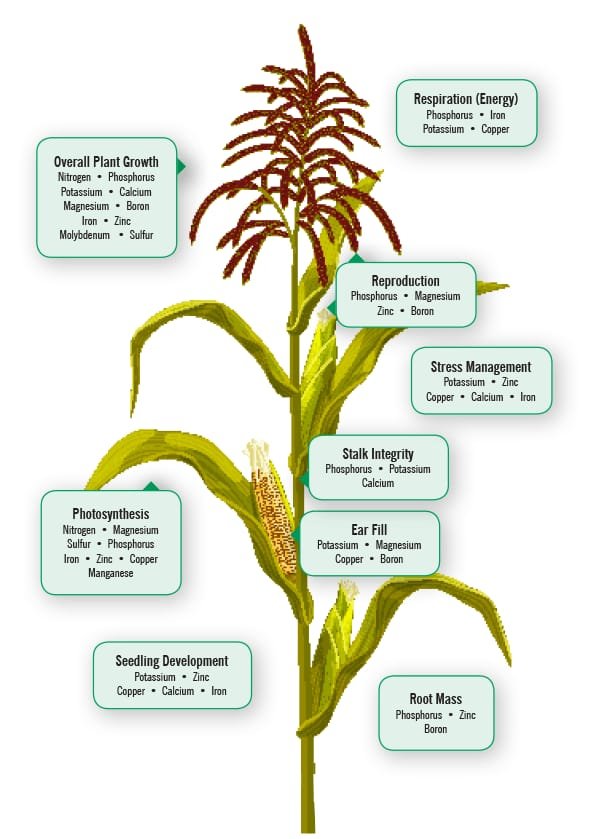
Plant nutrients are essential chemical elements required for the normal growth, development, and reproduction of plants. They play vital role in various physiological and biochemical processes, including photosynthesis, respiration, protein synthesis, enzyme activation, cell division, and energy transfer. Plants obtain these nutrients mainly from the soil, water, and air.
Based on the quantity required, nutrients are classified into macronutrients, which are needed in large amounts, and micronutrients, which are required in small amounts but are equally important. A balanced supply of all essential nutrients ensures healthy plant growth, higher crop yield, improved quality, and better resistance to pests, disease, and environmental stress.
Table of Contents
Important nutrients for plants:
Plants require 17 essential nutrients for normal growth, development, and reproduction. These nutrients are classified into non-mineral nutrients, macronutrients, and micronutrients based on their source and the quantity required.
- Non-Mineral Nutrients:
- Obtained from air and water.
- Carbon (C): Forms carbohydrates, proteins, and fats.
- Hydrogen (H): Essential for water and organic compounds.
- Oxygen (O): Required for respiration and plant metabolism.
- Macronutrients:
- Required in large quantities.
- Nitrogen (N): Promotes vegetative growth and chlorophyll formation
- Phosphorus (K): Encourages root growth, flowering, and seed development.
- Calcium (Ca): Strengthens cell walls and supports root growth.
- Magnesium (Mg): Central component of chlorophyll and essential for photosynthesis.
- Sulfur (S): Requires for protein synthesis and enzyme activity.
- Micronutrients:
- Required in small quantites
- Iron (Fe): Essential for chlorophyll sunthesis.
- Manganese (Mn): Activates enzymes and aids photosynthesis.
- Zinc (Zn): Promotes growth hormone production and enzyme activity.
- Copper (Cu): Involved in respiration and lignin formation.
- Boron (B): Essential for cell wall formation, flowering, and fruit set.
- Molybdenum (Mo): Helps in nitrogen metabolism.
- Chlorine (Cl): Regulates water balance and photosynthesis.
- Nickel (Ni): Required for urease enzyme activity and nitrogen utilization. https://www.nachurs.com/nutrient-functions
Importance of Nutrients in Indian Agriculture and Horticulture:
Nutrients play a vital role in improving crop productivity, quality, and sustainability in Indian agriculture and horticulture. Indian soils often show deficiencies of nitrogen, phosphorus, potassium, zinc, sulfur, and boron, making balanced nutrient management essential. The importance of nutrients includes:
- Increase crop yield:
- Essential nutrients promote healthy plant growth and significantly improve the yield of field and horticultural crops.
- Improve produce quality:
- Adequate nutrition enhances the size, color, taste, aroma, Nutritional value, and shelf life of fruits, vegetables, flowers, and spices.
- Support root and vegetable growth:
- Nutrients encourage strong root systems, vigorous shoot, and healthy leaf development, leading to better crop establishment.
- Enhance flowering and fruiting:
- Balanced nutrient application improves flowering, fruit set, seed development, and overall productivity.
- Increase resistance to pest and diseases:
- Proper nutrition strengthens plants, making them more resistant to pests, diseases, drought, and other environmental stresses.
- Maintain soil fertility:
- Balanced use of organic manures, chemical fertilizers, and biofertilizers helps maintain soil health and long term fertility.
- Improve nutrient use efficiency:
- Scientific nutrient management, reduces fertilizer losses and increases nutrient uptake, uptake by the plants.
- Support sustainable agriculture:
- Integrated nutrient management minimizes environmental pollution while maintaining high productivity.
- Enhance farmer’s income:
- Higher yield and better quality produce, fetch better market prices, increasing farm profitability.
- Ensure food and nutritional security:
- Balanced plant nutrition is essential for producing sufficient, nutritious food to meet the needs of India’s growing population.
Advantages of Proper Plant Nutrition:
- Increases crop growth and overall productivity.
- Improves the quality of fruits, vegetables, flowers, and grains.
- Promotes healthy roots, stem, and leaf development.
- Enhances flowering, fruit setting, and seed production.
- Increase resistance to pests, disease, and environmental stress.
- Improves photosynthesis and efficient energy production.
- Maintains soil fertility and supports long term soil health.
- Increases fertilizer use efficiency and reduces nutrient loss.
- Enhances shelf life and market value of agricultural and environmental conservation.